
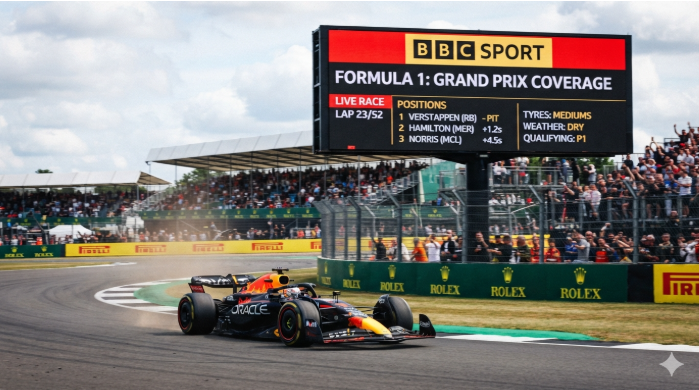
BBC Sport F1: Latest Formula 1 News, Results, Standings, and Race Updates
Formula 1 is one of the fastest and most exciting sports in the world. Fans follow every race for speed, strategy, drama, and championship battles. bbc sport f1 is a popular search term for people who want trusted Formula 1 coverage. BBC Sport has long provided sports news, live updates, results, and expert commentary. F1 fans can use its coverage to follow drivers, teams, races, and major developments. It can also help fans understand what happens beyond the final result. A Grand Prix may look simple on television, but many factors shape the outcome. Tyre choices, pit stops, weather, penalties, and qualifying results can all matter. This guide explains how to follow Formula 1 news and understand the information fans look for most. It also covers race schedules, standings, results, drivers, teams, and common F1 questions. The goal is to make following Formula 1 simple, clear, and enjoyable for new and experienced fans.
What Is BBC Sport F1?
bbc sport f1 refers to BBC Sport’s Formula 1 coverage and related F1 content. It is designed for fans who want news and information about the championship. Coverage can include race reports, qualifying updates, driver stories, team developments, results, and championship standings. The BBC is also known for its wider sports journalism. This makes its F1 coverage useful for readers who want more context around major events. Formula 1 produces news almost every weekend during the season. However, important stories also appear between races. Drivers may change teams, contracts may be renewed, and teams may introduce car upgrades. These developments can affect the championship later. Good F1 coverage does more than report who won. It explains why the race unfolded that way. This can help readers understand strategy and performance. Fans can then compare race results with the larger championship picture. That makes following the season much more rewarding.
Why Do Fans Search for BBC Sport F1?
Many fans search for bbc sport f1 because they want quick access to reliable Formula 1 information. Race weekends create a huge amount of news. A single event can include practice sessions, qualifying, sprint races, and the main Grand Prix. Fans may also want updates about crashes, penalties, weather, or technical issues. A trusted sports publisher can make this information easier to follow. Readers often want more than a headline. They want to know what happened and why it matters. For example, a driver may finish second but gain valuable championship points. Another driver might retire despite starting near the front. These details can change the title battle. F1 coverage also helps fans follow developments between races. Team upgrades and driver comments can become important later. For casual viewers, clear explanations make the sport easier to understand. For long-time fans, detailed reporting provides useful context. This combination makes professional F1 coverage valuable throughout the season.
BBC Sport F1 News and Race Coverage
bbc sport f1 coverage can be useful when a major Formula 1 story develops. Race weekends produce updates from early practice through the final podium. News can focus on driver performances, team strategy, technical changes, and championship battles. Race reports are especially helpful after a complicated Grand Prix. They can explain important moments that may have changed the result. A driver might gain places through an early pit stop. Another competitor may lose time because of traffic or a safety car. Weather can also transform the race strategy within minutes. These details are difficult to understand from a finishing order alone. Strong race coverage connects those events together. It gives fans a clearer picture of the full weekend. Readers should also check official Formula 1 information for schedules and classification details. Using multiple trusted sources can provide a broader view. This approach is helpful when a penalty or technical decision affects the final results.
How to Follow F1 Race Results
Race results are among the most important parts of any Formula 1 weekend. bbc sport f1 readers often look for the final classification after the Grand Prix. The winner receives the most attention, but every finishing position can matter. Drivers earn championship points based on their results. Teams also collect points through their drivers. This creates two connected championship battles during the season. A race result may look straightforward, but the final classification can change after penalties. A driver could cross the finish line in one position and receive a time penalty. That penalty may change their official ranking. Some drivers also retire before reaching the finish. Their classification can depend on how much of the race distance they completed. For this reason, fans should distinguish between the live running order and official results. Checking the confirmed classification gives a more accurate picture. Results also become more meaningful when compared with the championship standings after each round.
Understanding the F1 Drivers Championship
The drivers championship rewards consistency and strong race performance. Each driver earns points based on official race results. The driver with the highest total at the end of the season becomes world champion. bbc sport f1 coverage can help fans follow this battle throughout the year. A driver does not always need to win every race to lead the championship. Regular podium finishes can produce a strong points total. Avoiding retirements can be equally important. Formula 1 seasons are long, so reliability often becomes a major factor. Sprint events can also provide additional opportunities to score points. Small differences can become important near the end of a championship. A driver who finishes several places ahead of a rival can gain valuable ground. Fans should therefore look beyond race wins alone. The standings show the larger story. Comparing points, wins, podiums, and recent form can provide useful insight into the title fight. This makes championship tracking more interesting after every round.
Understanding the Constructors Championship
The constructors championship is the team competition in Formula 1. Each team receives points from its drivers during the season. The team with the highest total wins the constructors title. This competition is important because teams invest heavily in car development. bbc sport f1 coverage often discusses team performance alongside individual drivers. A team can have one excellent driver and still struggle in the constructors standings. Both cars need to score consistently for a strong championship position. Reliability is also important because mechanical failures can cost valuable points. Development speed can change the balance between teams during a season. One team may start strongly while another improves after introducing upgrades. The constructors standings can reveal these changes. Fans can compare points totals and recent race results to identify trends. Team strategy also plays a major role. Drivers sometimes work together during races when championship points are important. This adds another layer to Formula 1 beyond individual competition.
F1 Qualifying and Why It Matters
Qualifying is a key part of every traditional Formula 1 race weekend. It determines the starting order for the Grand Prix. Starting near the front can provide a major advantage. bbc sport f1 coverage can help fans understand qualifying results and their importance. The session is usually divided into multiple knockout stages. Drivers try to set their fastest possible lap within limited opportunities. Traffic, tyre temperature, track conditions, and small mistakes can affect lap times. A driver can lose several grid positions because of a tiny error. Weather can make qualifying even more unpredictable. Rain may change the best tyre choice and create unusual starting positions. Penalties can also alter the grid after qualifying has ended. Therefore, the qualifying result is not always the final starting order. Fans should check the official grid before the race. Understanding qualifying also makes the race more interesting. Starting position influences strategy, overtaking opportunities, and tyre decisions from the opening lap.
F1 Sprint Races Explained
Sprint races have added another competitive element to selected Formula 1 weekends. They are shorter races that provide additional championship points. The exact weekend format can depend on the season and current Formula 1 regulations. bbc sport f1 readers may follow sprint results alongside the main Grand Prix. Sprint weekends can change how teams approach the entire event. Drivers have fewer opportunities to experiment during practice. Teams must make important setup decisions quickly. A strong sprint result can also improve a driver’s championship position. However, taking risks can create problems for the main race. A crash or technical issue may affect a team’s entire weekend. Sprint races can therefore create more action but also increase pressure. Fans should check the current official Formula 1 calendar for each sprint weekend. Rules and formats can change over time. Understanding the weekend structure helps viewers know which sessions matter and when points are available.
F1 Teams, Cars, and Technical Updates
Formula 1 teams constantly work to improve their cars. Small aerodynamic changes can create meaningful performance gains. bbc sport f1 readers often follow technical stories because car development can change the competitive order. Teams may introduce new wings, floors, suspension parts, or cooling solutions. These upgrades are tested during race weekends and development periods. Engineers study data to understand whether a new part works as expected. Drivers also provide feedback about balance and handling. A car that looks fast in one circuit may struggle elsewhere. Track layout, tyre demands, and weather can all affect performance. This is why F1 results can change from one race to another. Technical regulations also shape how teams design their cars. Rule changes can create major shifts between seasons. Fans do not need engineering knowledge to understand these developments. Simple explanations can show how an upgrade affects speed, tyre wear, or stability. This makes technical F1 news easier and more interesting for everyone.
How Weather Changes an F1 Race
Weather can completely change a Formula 1 weekend. Rain is especially challenging because grip levels can change quickly. bbc sport f1 coverage often becomes particularly interesting when weather affects race strategy. Teams must choose the correct tyres for changing conditions. Drivers also need to adjust their driving style. A dry track may favor one strategy, while rain can create another. Temperature affects tyre performance as well. Hot conditions can increase tyre wear and create cooling challenges. Cooler weather can make it harder to bring tyres into their working range. Wind can also affect the balance of a Formula 1 car. These factors make weather forecasts important during race weekends. However, forecasts are not always perfect. Conditions can change faster than expected. Teams therefore monitor weather data throughout the event. A sudden shower can turn a predictable race into a strategic battle. For fans, changing weather often creates some of the most memorable F1 moments.
F1 Strategy, Pit Stops, and Tyres
Race strategy is one of the most important parts of Formula 1. Drivers and teams must decide when to change tyres and how aggressively to race. bbc sport f1 readers can learn a lot by following strategy reports after each Grand Prix. Different tyre compounds provide different levels of grip and durability. Softer tyres can offer strong performance but may wear faster. Harder tyres generally last longer but may provide less immediate speed. Teams use pit stops to change tyres and adjust their strategy. A well-timed stop can gain positions. A poorly timed stop can drop a driver into traffic. Safety cars can also change strategy because they reduce time lost during pit stops. Teams constantly calculate these possibilities during races. Drivers must then execute the plan while dealing with competitors. Strategy is one reason two cars with similar speed can finish far apart. Understanding these decisions makes F1 races much easier to appreciate.
How to Check the F1 Calendar
The F1 calendar shows where and when races take place during the season. Fans use it to plan viewing times and follow the championship schedule. bbc sport f1 can provide race-related information, while official Formula 1 sources should be checked for the latest calendar details. The calendar can include traditional venues and newer locations. Each circuit presents different challenges for drivers and teams. Street circuits often have narrow layouts and limited overtaking opportunities. Permanent tracks may provide faster corners and wider racing areas. Some races are also held under lights. Time zones can make international race schedules confusing. Fans should always confirm the local start time before a Grand Prix. Practice, qualifying, sprint sessions, and the main race can all have different times. Schedule changes may also occur because of weather or other circumstances. Checking the latest information before race day helps avoid missing important sessions. A simple calendar can make the entire season easier to follow.
Why F1 Standings Matter
Championship standings provide a simple way to understand the season. They show how many points each driver and team has earned. bbc sport f1 readers can use standings to track progress after every race. Looking only at the latest race can sometimes give the wrong impression. A driver may win one Grand Prix but still trail a rival overall. Another driver may score consistently without winning often. This can create a close championship battle. Standings also help fans understand the value of every point. A single position can sometimes make a meaningful difference across a full season. Team standings reveal which manufacturers are performing consistently. Drivers’ standings show individual performance and reliability. It is also useful to compare current standings with previous rounds. This can reveal who is gaining momentum and who is losing ground. Following standings throughout the season creates a clearer story. It turns individual races into parts of one larger championship journey.
How to Get More From F1 News
Good F1 coverage should help readers understand both events and context. bbc sport f1 is useful for following news, but fans can improve their understanding by comparing several types of information. Start with race results and championship standings. Then look at qualifying performance and tyre strategy. Driver comments can provide another useful perspective. Team statements may explain technical problems or development decisions. Official Formula 1 information can help confirm schedules and classifications. This approach reduces confusion when stories develop quickly. It also helps separate confirmed facts from speculation. Social media can be useful for instant reactions, but not every post is reliable. Fans should be careful with unconfirmed transfer rumors and technical claims. Trustworthy journalism usually explains where information comes from. It also updates stories when new facts become available. Combining reliable news with official race information creates a stronger understanding of the sport. Over time, fans can build their own view of drivers, teams, and championship trends.
BBC Sport F1 vs Other F1 Information Sources
There are many ways to follow Formula 1 today. Fans can use sports websites, official championship platforms, television coverage, podcasts, and social media. bbc sport f1 is one option for news and sports reporting. Other sources may focus more heavily on live timing or technical details. The best choice depends on what information a fan needs. Official Formula 1 platforms are useful for schedules, results, and championship data. Sports journalism can provide context, interviews, and analysis. Team websites can offer information about drivers and car development. Social platforms can provide fast reactions from journalists and teams. However, speed does not always mean accuracy. Fans should verify important claims through reliable sources. This is especially important for driver contracts, penalties, and technical regulations. Using different sources can provide a balanced picture. One source may explain the race result, while another explains the strategy behind it. Smart F1 fans focus on reliable information rather than following every rumor online.
Tips for New Formula 1 Fans
New fans do not need to understand every F1 rule immediately. Start with the basic ideas. Learn how qualifying works, how points are awarded, and how pit stops affect races. Then follow one or two drivers and teams. This makes the championship easier to understand. Watching highlights can also help new viewers learn important race moments. bbc sport f1 coverage can provide additional news and explanations throughout the season. Try to watch qualifying before the main Grand Prix when possible. It shows which drivers have strong pace and where they start. During races, watch tyre choices and pit stop timing. These details often explain why positions change. Do not worry if some technical terms seem confusing at first. F1 has a large vocabulary, but most terms become familiar with time. Following the championship week by week is the easiest learning method. Soon, strategy decisions and championship battles will become much easier to understand.
Complete BBC Sport F1 Information Table
| Feature | What It Covers | Why It Matters |
| F1 News | Current Formula 1 stories | Keeps fans informed |
| Race Results | Final Grand Prix classification | Shows race performance |
| Driver Standings | Championship points | Tracks title battles |
| Team Standings | Constructors points | Compares teams |
| Qualifying | Starting positions | Explains race grid |
| Sprint Results | Short race outcomes | Tracks extra points |
| Race Reports | Detailed event summaries | Adds useful context |
| Driver News | Interviews and updates | Follows driver careers |
| Team News | Development and strategy | Explains team performance |
| Technical News | Car upgrades and regulations | Shows performance changes |
| Tyre Strategy | Compound and pit decisions | Explains race tactics |
| Weather Updates | Conditions around races | Helps explain strategy |
| F1 Calendar | Race dates and locations | Helps fans plan viewing |
| Championship Analysis | Season trends | Adds deeper understanding |
| Expert Commentary | Professional opinions | Provides broader context |
| F1 Highlights | Major race moments | Helps fans catch key action |
Frequently Asked Questions
1. What does BBC Sport F1 cover?
bbc sport f1 coverage focuses on Formula 1 news and major championship developments. Fans can follow race reports, results, driver stories, team news, and championship updates. Coverage can also provide analysis around important races and events. For official classifications, schedules, and regulations, it is sensible to check Formula 1’s official information. Using both sources can give fans useful news and accurate event details. This is especially helpful after races where penalties or post-race decisions may change the final classification.
2. Can I follow F1 race results online?
Yes, Formula 1 race results are widely available online. Fans can check finishing positions, points, and championship standings after races. Sports websites can provide reports and explanations around the results. Official Formula 1 information is also useful for confirmed classifications. Remember that the first finishing order may change after penalties. Always check the final classification for the most accurate result. This is particularly important when a race includes investigations or post-race decisions.
3. Why are F1 standings important?
F1 standings show how drivers and teams are performing across the season. A single race does not decide the championship. Drivers need to score consistently across many events. Teams also need both cars to collect points. Standings make it easier to understand the championship battle. They show which competitors are leading and who is closing the gap. Fans can compare standings after every race to see how the season is changing. This creates a clearer picture than looking at individual race wins alone.
4. What makes F1 qualifying important?
Qualifying determines the starting positions for the Grand Prix. A strong qualifying result can give a driver a better chance of controlling the race. Starting near the front can also reduce the need for risky overtaking. However, qualifying is not always the final grid because penalties can change positions. Weather and track conditions can also affect performance. This makes qualifying an important part of every traditional race weekend. Watching qualifying can help fans understand the race before it begins.
5. How does F1 strategy affect race results?
Strategy affects tyre choices, pit stops, fuel management, and race pace. Teams constantly react to changing conditions during a Grand Prix. A safety car can suddenly make one strategy better than another. Weather can create even bigger changes. Drivers must also manage tyres while maintaining competitive speed. Good strategy can help a driver gain several positions. Poor timing can cost valuable track position. This is why race results cannot always be explained by car speed alone.
6. Where can I find reliable F1 information?
Fans can use trusted sports publishers and official Formula 1 resources. bbc sport f1 coverage can help with news, reports, and analysis. Official Formula 1 channels are useful for schedules, results, standings, and regulations. Team websites can provide direct statements about drivers and car development. Using more than one reliable source can reduce confusion. Avoid treating unverified social media posts as confirmed news. This is especially important for rumors about driver moves, contracts, and technical changes.
Conclusion
Following Formula 1 becomes much easier when news, results, standings, and strategy are viewed together. bbc sport f1 can be a useful destination for fans who want sports news and Formula 1 coverage. Race results tell you what happened, while analysis can explain why it happened. Championship standings show how each result affects the bigger picture. Qualifying, tyres, weather, pit stops, and technical updates add even more depth. New fans can start with the basics and gradually learn more about the sport. Experienced fans can use different sources to compare information and build a deeper view. The most important step is to follow reliable information and check official details when accuracy matters. Whether you support a particular driver or simply enjoy fast racing, every Grand Prix offers something new. Keep track of the calendar, follow the standings, and watch how the championship develops from one race to the next.